
40 Things I know for Sure
life, biz, productivity, creativity, communication

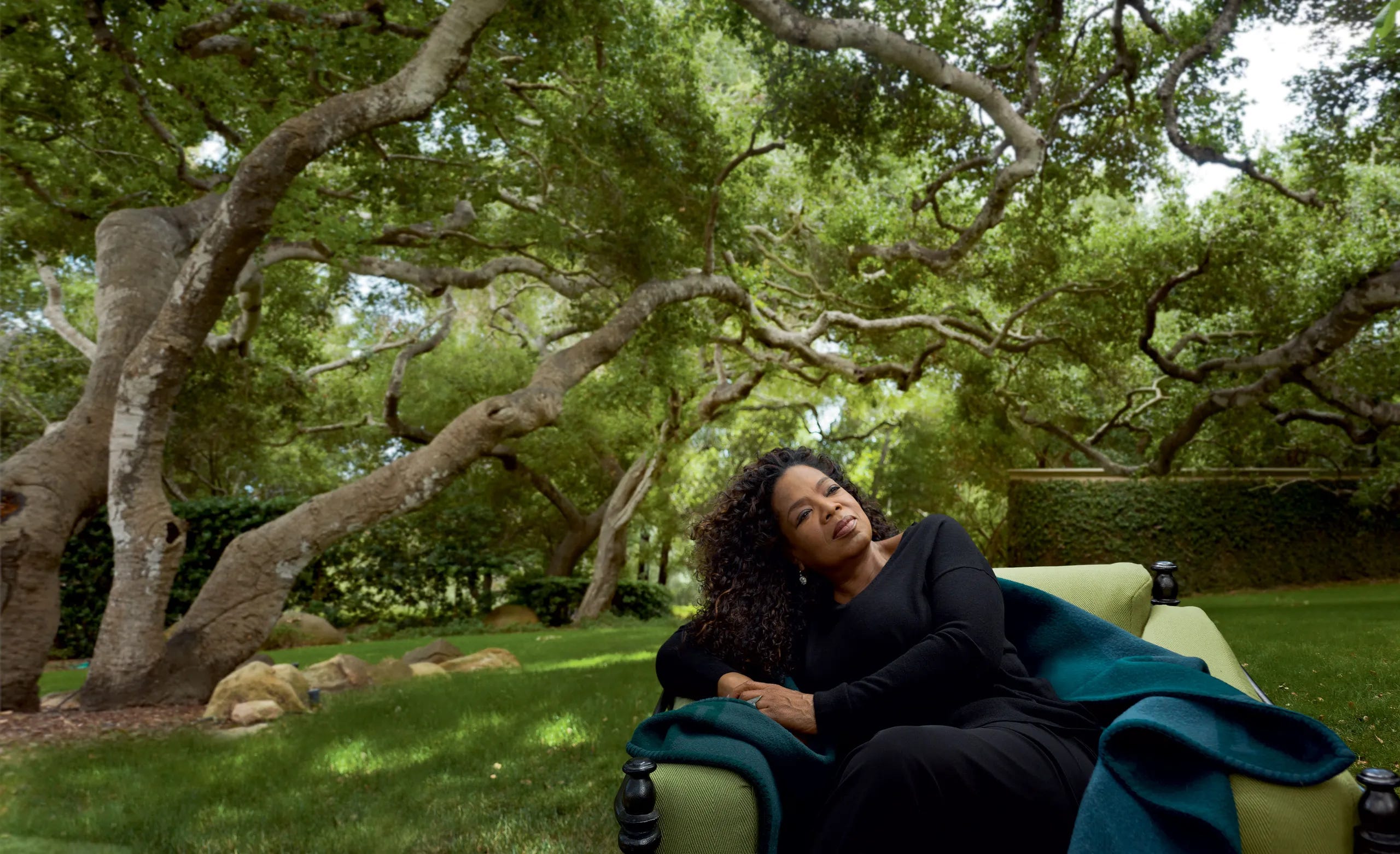
Yesterday, I revisited Oprah’s What I Know for Sure, a collection of essays inspired by a simple yet weighty question film critic Gene Siskel asked her in an interview: “What do you know for sure?”
The question stumped her during the interview, so she spent the following years answering it in her O-mag column. While rereading her essays, I became curious about what I knew for sure.
I made a list of things I know that could turn into essays. I’d love to know which ones, if any, you’d like me to elaborate on.
I hope you find some helpful advice and tips in my reflection.
What I Know for Sure, Isis Bradford Edition
I know that no one is going to beg you to show up for yourself. There’s no magical motivation fairy. If you want something to happen, you’ve got to put in the work—no ifs, ands, or buts.
The best way to build self-confidence is to do what you promised yourself you would do.
I know that God is not in a hurry, but He is always on time. We often want instant answers, but God works in seasons, not seconds.
I know how it feels to lose someone close to you. I know the anguish and heartache. I know it feels like the world has betrayed you by not stopping to acknowledge that your world was just shattered. I know it feels like it’ll last forever, and I know it never lasts forever.
I don’t want to live in the US forever.
If you want to increase your chances of getting a favorable response via email from decision-makers like marketing directors, hiring managers, or other key figures — lead with your request. Skip the generic pleasantries and “Hope you’re doing well!” until after you’ve asked for a favor. This is a communication strategy that feels more direct and genuine and increases the likelihood of a quick reply. Example: “Hi, Isis!
Could you connect me with [X person]? I’d love to pitch them about XYZ. Also, how are you? I saw that you’re working on XYZ!”
I know we don’t need Instagram or any other social media platform to thrive financially.
I know our best ideas won’t come when we’re staring at a screen. Qualitative and quantitative data have proven they’ll come when we’re moving — walking, showering, driving, or doing something mundane — My personal experience lets me know that creativity thrives in free space, not under pressure.
Current goals should always be aligned with your life’s vision.
I know for sure that if people don’t understand what you sell in 10 seconds, they won’t buy. Your offers should be so clear that a stranger could explain it.
My sister is my best friend; I have great friends. I know that everyone should have at least one great friend.
I know I get overwhelmed with DMs and emails. I wish I could turn them off. And I wish I didn’t get so overwhelmed by them. It doesn’t seem fair to the person sending it.
I know the ending of movies in the first 30 minutes.
I know the presence of problems doesn’t mean the absence of God.
I know how it feels to be rich, and I know how it feels to be poor, and I know I'd choose joyful poor, over stressed and rich if I ever had to.
There comes a point at which a creative / artist must choose if they want more awards or income. I know there’s no wrong or right decision.
Brevity builds authority. The more confident you are in your message, the fewer words you need to say it. Rambling weakens impact; say what you mean in the simplest way possible.
Peace isn’t necessarily found in doing less—it’s in doing the right things and that a full life isn’t the same as a cluttered one. I know my goal isn’t to eliminate everything but to be ruthless about what actually deserves space in my life.
I feel most creative in Paris during the fall.
I know the two-minute rule has stopped ADHD from controlling my life, business, and marriage. I know if something takes less than two minutes—responding to an email, wiping down the counter, cleaning up my desk—I need to do it immediately.
The Bible isn’t just a book—it’s a manual for life. Every principle that leads to peace, wisdom, and fulfillment is already written there. The more you read it, the more you realize it’s not outdated; it’s timeless.
I know that people only take action for what feels relevant to them. No one cares about our ideas, products, or opinions unless they can clearly see how it benefits them. So, always frame your message through the lens of the listener: “What’s in it for them?”
I know that how you spend your days is how you spend your life. It’s easy to wait for a “better time” to do the things that matter, but life is happening now. If something is important to you, it belongs in your daily routine—not on a distant “someday” list.
I know that if it weren’t for my discipline, I could eat boiled peanuts every day; I’m craving them right now.
I know that I’m disciplined. I know that discipline is the key to reaching a goal.
The best sales strategy is listening. The more you understand your audience’s struggles, the easier it is to position your offer as the solution. Every great business starts by answering this question: “What do people already want that I can provide?”
I can’t help but think outside of the box. My brain works differently, not worse or better, just differently. And I know it feels incredibly isolating sometimes.
The Narrative Transporation Theory is true. Because people don’t remember facts; they remember stories. If we want our messages to stick so our audience will buy, we must wrap them in a relatable story. The more vivid, the more impact.
I know that Mac’s matte lipstick is too drying and needs a new formula.
The words you choose shape how people feel. “I need to talk to you” sounds stressful. “Let’s chat” feels lighter. “Buy now” feels pushy, while “Get instant access” feels inviting. The smallest shifts in language can change how people react.
I know award shows aren’t about awarding the best—they’re rewarding the industry. Oscars, Grammys, and Tonys are often more about who’s connected to who than actual merit.
Originality is soooo overrated and stressful to chase. Every creative person borrows, blends, and builds on what came before them. The goal shouldn’t be to create from nothing but to remix, reinterpret, and add in a unique way.
I know the best-performing sales pages answer objections in the first three scrolls—hook, proof, offer, and urgency.
The quote, “The quality of your questions determines the quality of your life,” is true. Instead of asking, “Why is this happening to me?” ask, “What is this teaching me?” Instead of “What should I do?” ask, “What’s the next smallest step I can take?” The way we frame our problems shapes the way we solve them.
I know I love luxury cruises, and I wish I took them more often.
I know how to stand out and get an opportunity — a job, casting, consulting gig, etc. I also know how to turn it off and be “invisible.” I know Marilyn Monroe felt the same way… I wonder what kind of trait this is.
The things you want to do and the things you need to do should overlap. If your dream life feels separate from your daily life, something is misaligned.
I know that great content — like a great TV show — isn’t just entertaining; it makes you feel something. The best ones tap into universal emotions (love, loss, ambition, nostalgia) and make you see yourself in the story.
In public speaking, how you say something matters as much as what you say. Tone, pacing, and body language often communicate more than words. A well-placed pause, a slight smile, or a steady voice can completely change how a message is received.
I know I'll write part two of this one day because I know a lot. And I know there’s even more I don’t know.
I also know I didn’t proofread this—oops! Lol, my bad. I’ve officially started my travels through Europe and had this idea while sitting in a café in Amsterdam. I had to type it out quickly before heading out and losing WiFi!
I know I loved reading every second of this. I plan to make my list this week. Thank you for the inspiration sis 🤍